


 English - EN
  繁體 - ZH-TW
  简体 - ZH-CN
  Español - ES
  日本語 - JA
  العربية - AR
  Русский - RU
  Français - FR

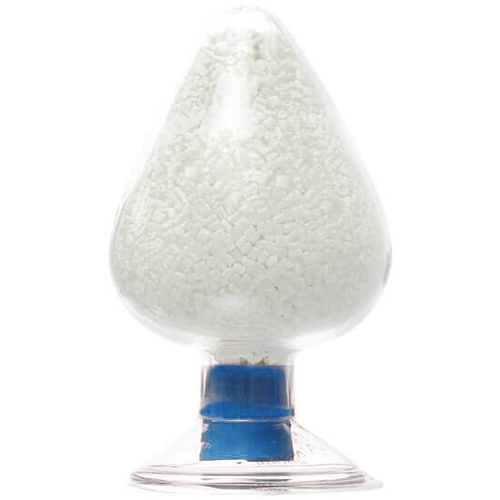
Polyamid 66 - NB1200GH50
CATÉGORIES : PA (polyamide) / nylon
Fibre de verre renforcée à 50%, faible gauchissement, module élevé, impact élevé. Applications : outils à main, outils électriques, outils de jardinage, automobiles, motos, pièces et composants de vélo, pièces détachées d'équipements sportifs, électronique, boîtiers et composants électriques, composants de bureau OA, approvisionnement en eau, équipement de réadaptation médicale.

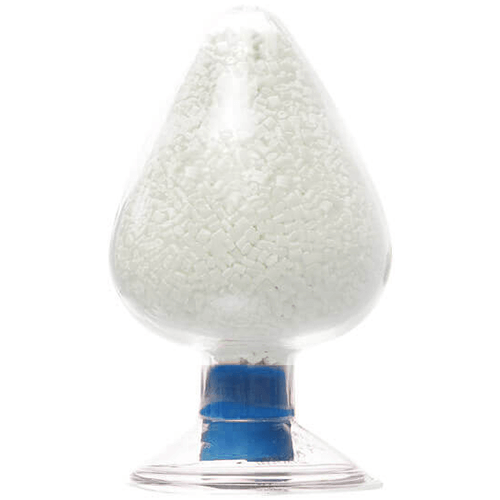
Polyamid 66 - NBE1200G30
CATÉGORIES : PA (polyamide) / nylon
Fibre de verre renforcée à 30%, super impact. Applications : outils à main, outils électriques, outils de jardinage, automobiles, motos, pièces et composants de vélo, pièces détachées d'équipements sportifs, électronique, boîtiers et composants électriques, composants de bureau OA, approvisionnement en eau, équipement de réadaptation médicale.
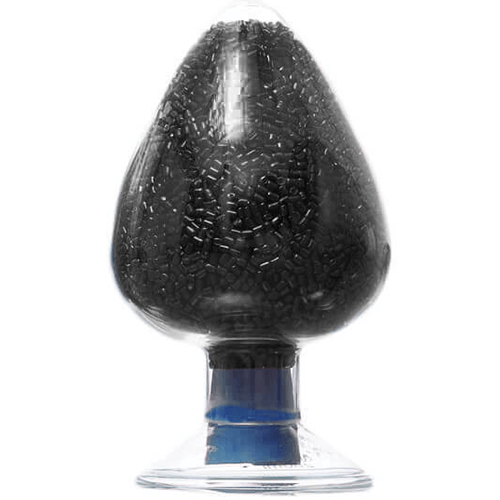
Polyamid 66 - NB7200G33
CATÉGORIES : PA (polyamide) / nylon
Fibre de verre renforcée 33%, haut débit, coloris noir. Applications : outils à main, outils électriques, outils de jardinage, automobiles, motos, pièces et composants de vélo, pièces détachées d'équipements sportifs, électronique, boîtiers et composants électriques, composants de bureau OA, approvisionnement en eau, équipement de réadaptation médicale.
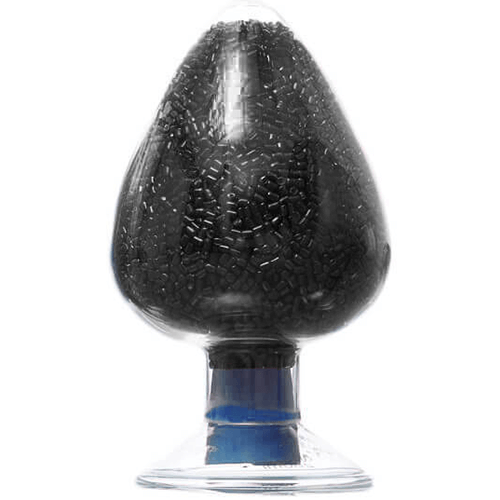
Polyamid 66 - NBE7200G20
CATÉGORIES : PA (polyamide) / nylon
Fibre de verre renforcée à 20 %, très résistant aux chocs, de couleur noire. Applications : outils à main, outils électriques, outils de jardinage, automobiles, motos, pièces et composants de vélo, pièces détachées d'équipements sportifs, électronique, boîtiers et composants électriques, composants de bureau OA, approvisionnement en eau, équipement de réadaptation médicale.
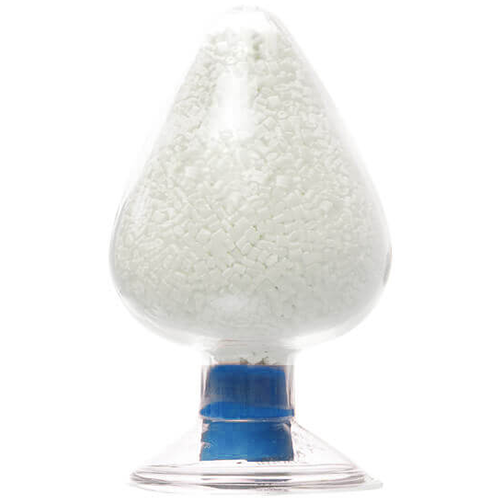
Polyamide 66 - NB1200G45
CATÉGORIES : PA (polyamide) / nylon
Fibre de verre renforcée à 45%, haut débit. Applications : outils à main, outils électriques, outils de jardinage, automobiles, motos, pièces et composants de vélo, pièces détachées d'équipements sportifs, électronique, boîtiers et composants électriques, composants de bureau OA, approvisionnement en eau, équipement de réadaptation médicale.
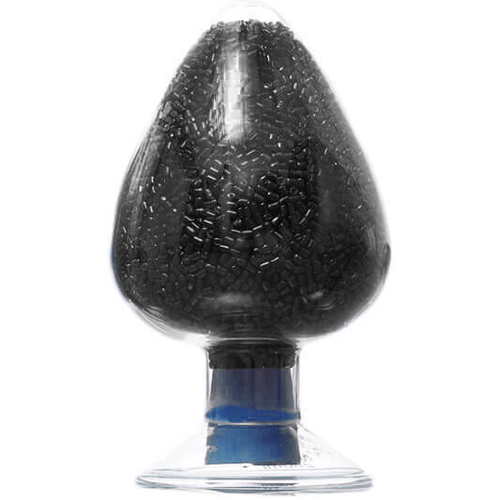
Polyamid 66 - NBE7200G30
CATÉGORIES : PA (polyamide) / nylon
Fibre de verre renforcée à 30 %, très résistant aux chocs, de couleur noire. Applications : outils à main, outils électriques, outils de jardinage, automobiles, motos, pièces et composants de vélo, pièces détachées d'équipements sportifs, électronique, boîtiers et composants électriques, composants de bureau OA, approvisionnement en eau, équipement de réadaptation médicale.
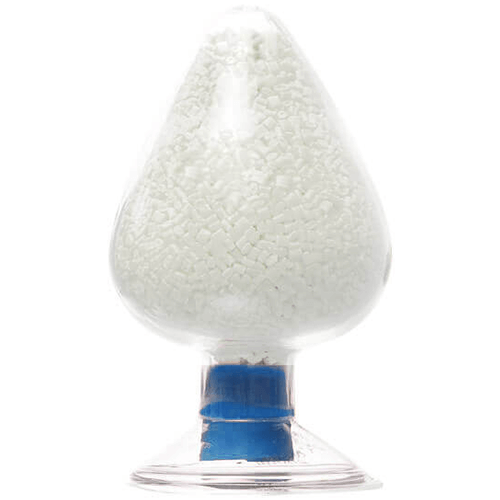
Polyamid 66 - NBE1200G20
CATÉGORIES : PA (polyamide) / nylon
Applications : outils à main, outils électriques, outils de jardinage, automobiles, motos, pièces et composants de vélo, pièces détachées d'équipements sportifs, électronique, boîtiers et composants électriques, composants de bureau OA, approvisionnement en eau, équipement de réadaptation médicale.
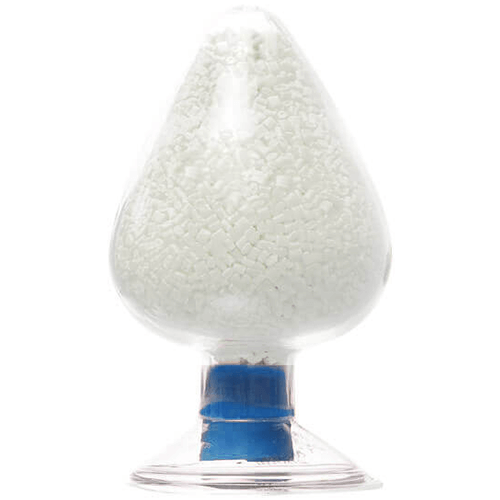
Polyamid 66 - NB1200G15
CATÉGORIES : PA (polyamide) / nylon
Fibre de verre renforcée à 15%, haut débit. Applications : outils à main, outils électriques, outils de jardinage, automobiles, motos, pièces et composants de vélo, pièces détachées d'équipements sportifs, électronique, boîtiers et composants électriques, composants de bureau OA, approvisionnement en eau, équipement de réadaptation médicale.
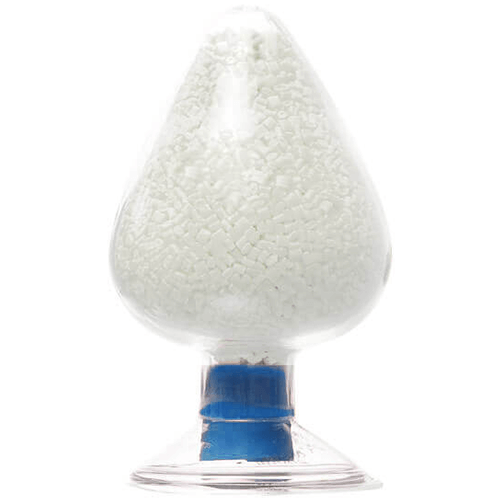
Polyamid 66 - NB1200G33
CATÉGORIES : PA (polyamide) / nylon
Армированное стекловолокном 33%, высокая текучесть. Applications : outils à main, outils électriques, outils de jardinage, automobiles, motos, pièces et composants de vélo, pièces détachées d'équipements sportifs, électronique, boîtiers et composants électriques, composants de bureau OA, approvisionnement en eau, équipement de réadaptation médicale.
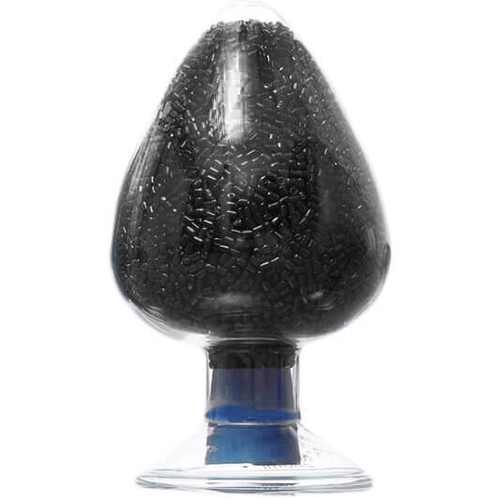
Polyamide 66 - NBO7200
CATÉGORIES : PA (polyamide) / nylon
Impact élevé à basse température, de couleur noire.
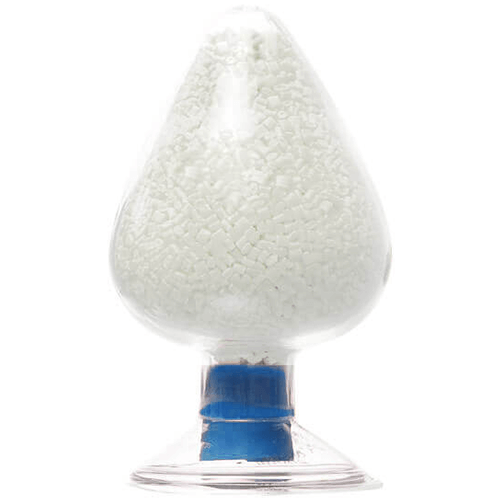
Polyamid 66 - NBO1200
CATÉGORIES : PA (polyamide) / nylon
Impact élevé à basse température. Applications : outils à main, outils électriques, outils de jardinage, automobiles, motos, pièces et composants de vélo, pièces détachées d'équipements sportifs, électronique, boîtiers et composants électriques, composants de bureau OA, approvisionnement en eau, équipement de réadaptation médicale.
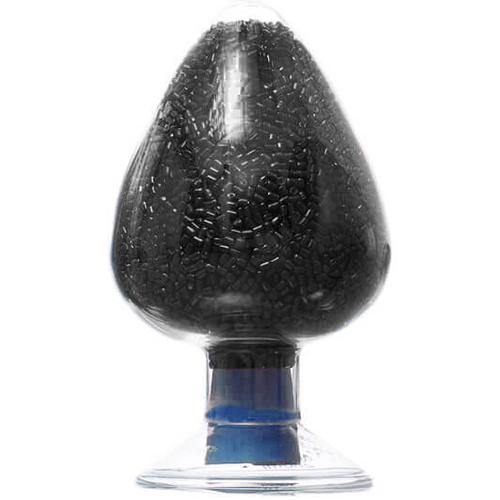
Polyamide 66 - NB2210Mo3
CATÉGORIES : PA (polyamide) / nylon
Anti-abrasion Applications : outils à main, outils électriques, outils de jardinage, automobiles, motos, pièces et composants de vélo, pièces détachées d'équipements sportifs, électronique, boîtiers et composants électriques, composants de bureau OA, approvisionnement en eau, équipement de réadaptation médicale.