

 English - EN
  繁體 - ZH-TW
  简体 - ZH-CN
  Español - ES
  日本語 - JA
  العربية - AR
  Русский - RU
  Français - FR

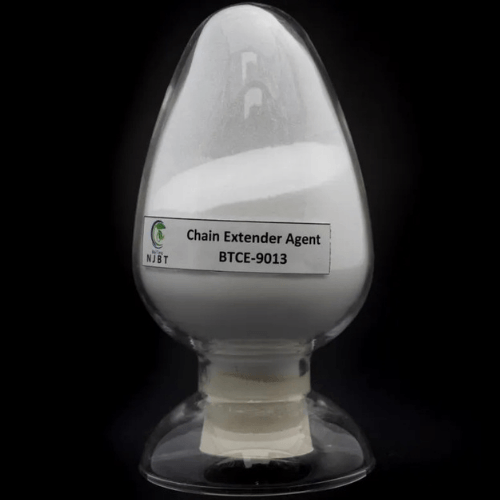
chain extender
CATÉGORIES : Additifs
BTCE-9013 is a polymeric epoxy functionalized chain extender. The epoxy functional groups in its structure can react with the terminal carboxyl, hydroxyl, and amino groups in long-chain resin molecules to extend the polymer chain, thereby improving the resin's mechanical properties, intrinsic viscosity, and inhibiting polymer hydrolysis. It can be used in food contact materials. BTCE-9013 is generally co-extruded with modified resins using twin-screw or single-screw extruders. The recommended dosage for bio-based and biodegradable plastics such as polybutylene adipate/terephthalate (PBAT), polylactic acid (PLA), polybutylene succinate (PBS), polymethyl ethylene carbonate (PPC), and polyhydroxyalkanoates (PHAs) is 0.2-0.8 phr. The recommended dosage for condensation-based recycled plastics such as polyamide (PA), polybutylene terephthalate (PBT), polycarbonate (PC), and polyethylene terephthalate (PET) is 0.2-1.5 phr. The specific dosage depends on the number of active functional groups in the resin and the performance requirements of the product.
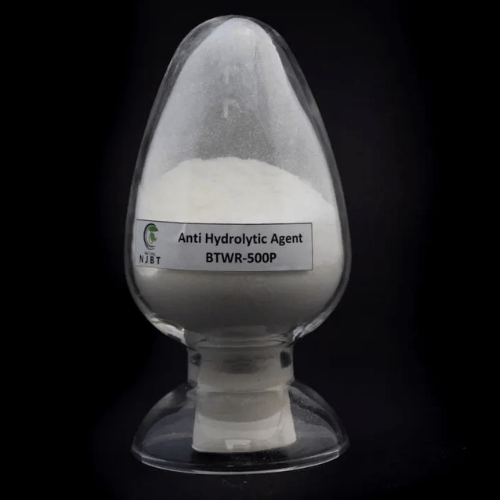
Anti-hydrolysis agent
CATÉGORIES : Additifs
BTCE-9013 is a polymeric epoxy functionalized chain extender. The epoxy functional groups in its structure can react with the terminal carboxyl, hydroxyl, and amino groups in long-chain resin molecules to extend the polymer chain, thereby improving the resin's mechanical properties, intrinsic viscosity, and inhibiting polymer hydrolysis. It can be used in food contact materials. BTCE-9013 is generally co-extruded with modified resins using twin-screw or single-screw extruders. The recommended dosage for bio-based and biodegradable plastics such as polybutylene adipate/terephthalate (PBAT), polylactic acid (PLA), polybutylene succinate (PBS), polymethyl ethylene carbonate (PPC), and polyhydroxyalkanoates (PHAs) is 0.2-0.8 phr. The recommended dosage for condensation-based recycled plastics such as polyamide (PA), polybutylene terephthalate (PBT), polycarbonate (PC), and polyethylene terephthalate (PET) is 0.2-1.5 phr. The specific dosage depends on the number of active functional groups in the resin and the performance requirements of the product.
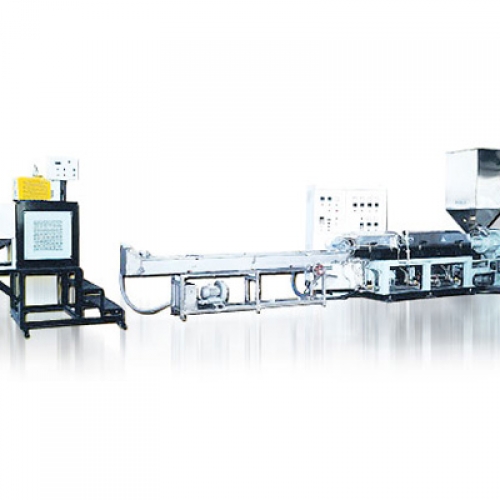
Usine de teinture et de pelletisation
CATÉGORIES : Lignes de granulation et de mélange
• Modèle: Série TY-DB • Pays d'origine: Taiwan • Résine applicable: PP, PE, ABS, PS. • Résine spécifique: PC, PET, ACRYLIQUE, NYLON. • Capacité: 50-1000 kg / h

PC
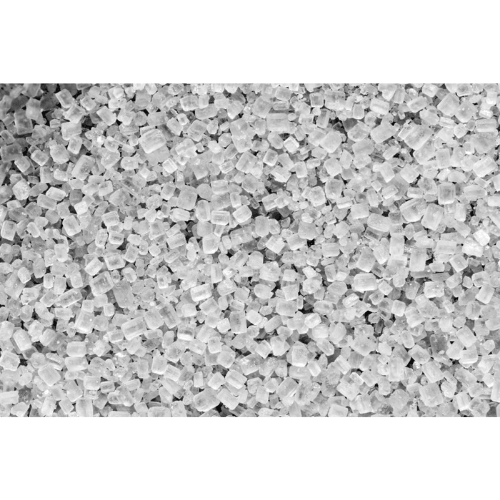
Polycarbonate (PC) is a chemically representative engineering material with good impact resistance, heat resistance, dimensional stability, electrical properties, and flame retardancy. Furthermore, it maintains a good balance among these properties, making it widely applicable. In particular, its unique transparency among general-purpose engineering plastics has led to increased demand in the optical and electronic fields.