

 English - EN
  繁體 - ZH-TW
  简体 - ZH-CN
  Español - ES
  日本語 - JA
  العربية - AR
  Русский - RU
  Français - FR



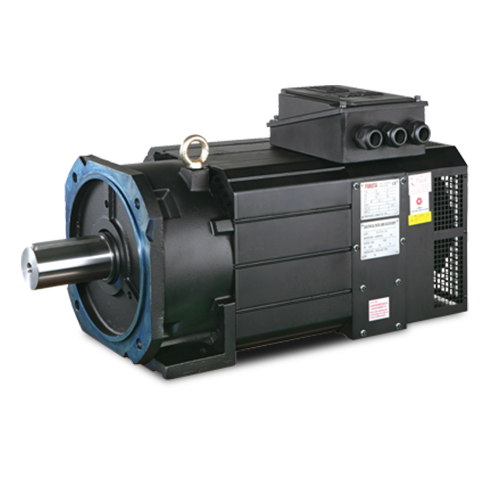
AC Induction Servo Motor: SB Series
CATÉGORIES : Transmission, Moteurs et Systèmes d'Entraînement
Frame size: F#180. Insulation:IP54 Low inertia design which could meet high precision motion control requirement by using servo drive system or closed-loop vector control inverter.

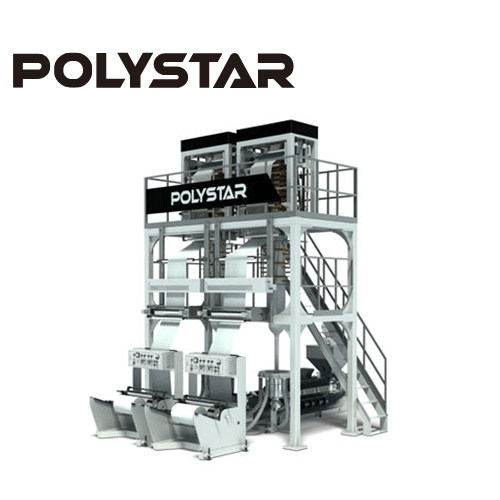
Une couche double tête HDPE LDPE LLDPE 650mm
CATÉGORIES : Extrudeuses de film soufflé
Grande vitesse pour la conversion de sac de T-shirt Pour la largeur de film 100 ~ 800mm Extrudeuse dia. 45mm, 55mm ou 75mm

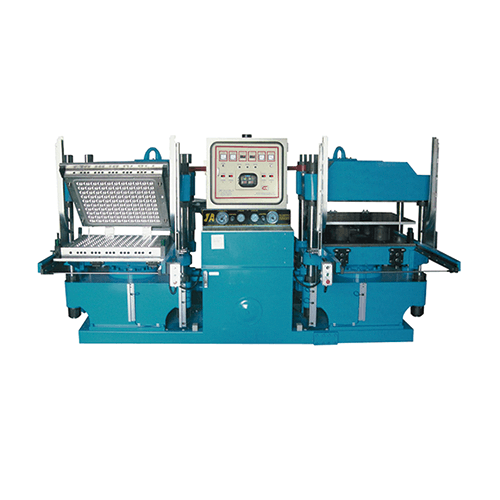
Machine de moulage par compression en caoutchouc/silicone sphère
CATÉGORIES : Machines de moulage par compression
Équipé d'un rail breveté ouvert, très rapide et facile à utiliser. L'ensemble complet comprend à la fois des moules et une machine de moulage. Grand banc de travail, nombreuses cavités, rendement élevé. Caoutchouc naturel Caoutchouc des pièces liées en métal Caoutchouc résistant à l'huile Mélange NBR + PVC Caoutchouc synthétique Caoutchouc à usage médical / pharmaceutique Caoutchouc résistant à la chaleur

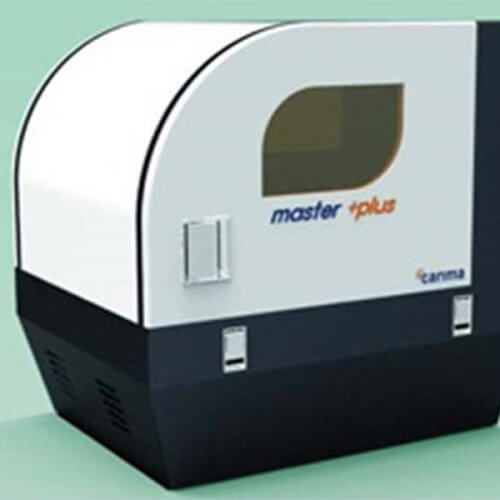
RAPID PROTOTYPING
CATÉGORIES : Services de conception et d'usinage de moules
With the advent of 3D printing, rapid prototyping can now be done quickly and affordably. YOMURA TECHNOLOGIES is equipped with a high end, Digital Light Processor 3D printer built by Carima, a South Korean company with over 30 years of optical manufacturing experience. Unlike Fused Deposition Modeling (FDM) 3D printing which heats a plastic filament then squeezes it through a nozzle to print one layer at a time, DLP uses a special light wave to activate a chemical reaction in a photopolymer resin which then cures into solid 3D object. DLP objects are smoother, more detailed and almost seamless, ideal for professional quality prototypes. 3D PRINTER SPECS Max Build speed: 30mm/hr Resolution: 1920 x 1080 Size: 200 x 112 x 200mm 245 DPI High-end DLP (Digital Light Processing) 12 micron engine enables a very fine prototype Very minimal material waste MATERIALS Acryl: Easy post processing and coloring ABS-like: Semi ABS durability Epoxy: Great durability Rubber-like: Elastic material Lost-Wax: Metal Casting

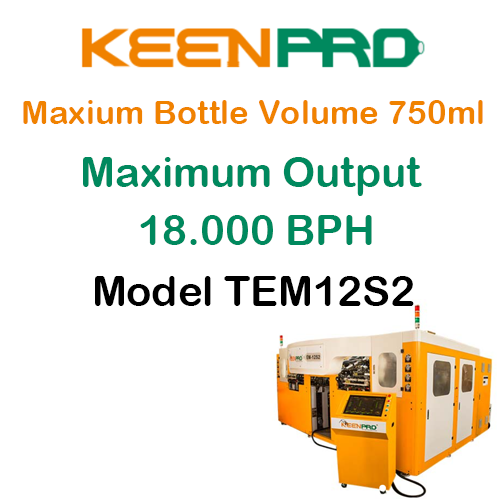
MACHINE DE MOULAGE PAR SOUFFLAGE PET STRETCH-TEM12S2
CATÉGORIES : Machines de moulage par soufflage automatiques
Consommation électrique du ventilateur pour 1000 bouteilles: 2Wh Consommation électrique du compresseur d'air pour 1000 bouteilles: espace compact de 6 kWh Entraînement par vis contrôlé par un servomoteur assurant un mouvement rapide et fluide Chauffage centralisé bilatéral à une seule lampe, contrôle facile à moins de 3 ° C et chauffage énergétique Air basse pression le compresseur ne sera PAS nécessaire en raison du système de récupération haute pression. Système de récupération d'air hautement efficace jusqu'à 45%
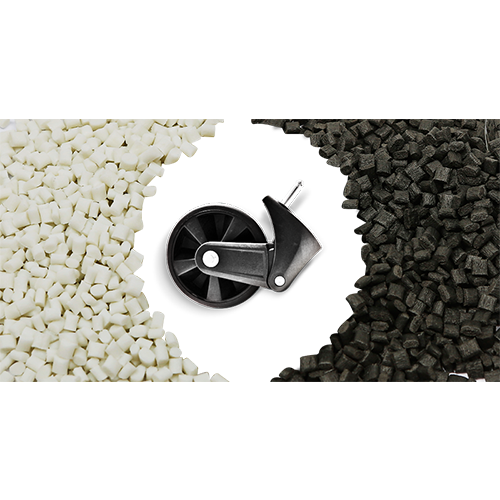
PA6 (renforcé de fibre de verre / modifié aux chocs)
CATÉGORIES : PA (polyamide) / nylon
Nylon renforcé de fibre de verre pour une résistance, une rigidité et une température de déformation thermique améliorées.
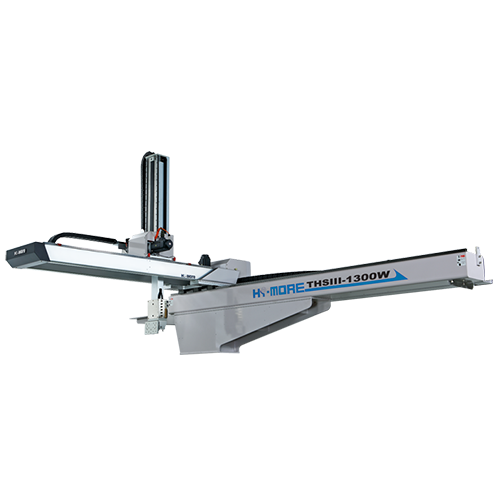
TH série-1300/1500/1800W
CATÉGORIES : Automatisation, Robotique et Logiciels
Servo servo 3Asix Temps de ramassage: 0.5sec, Temps de cycle: 2.9 sec. La chaîne de traverse énorme assurent la longévité de câble / tuyau La conception thermique de moteur longue vie durable Contrôlez complètement l'écran tactile de couleur

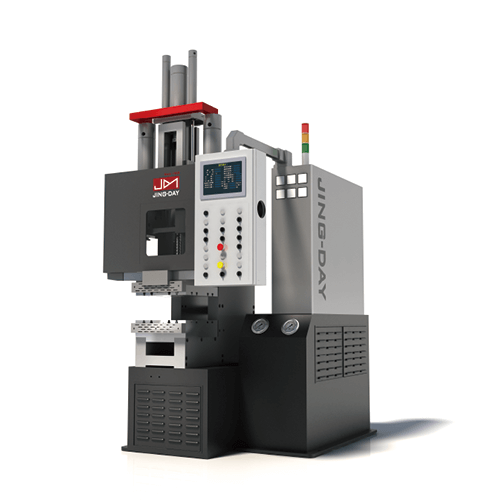
C-Frame de moulage par injection de caoutchouc machine JD-RC series
CATÉGORIES : Machines de moulage par injection de caoutchouc
Cette série convient au caoutchouc naturel, au caoutchouc synthétique, au caoutchouc résistant à l'huile, à la chaleur et au caoutchouc recyclé.
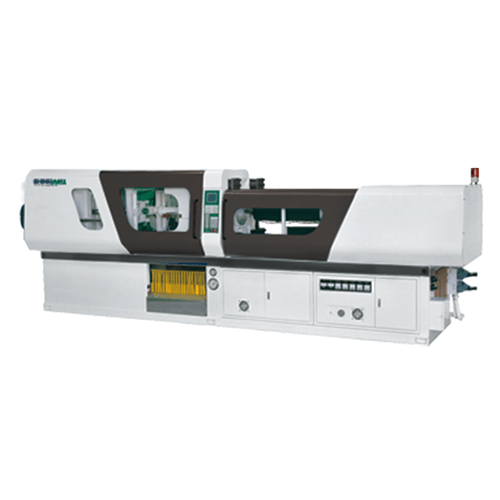
Machine de moulage par injection spécifique de PVC 90PVC à 320PVC
CATÉGORIES : Machines de Moulage par Injection Horizontales
Common commissioning for molding products such as fittings of a highly acid chemical. A one-piece rod and a standard L/D ratio screw design makes melt flow smoothly. Includes a standard, grade B, bimetallic screw barrel to provide a better wear-resistance and lifespan. Radiation fans set on top of the sleeve of the barrel to avoid overheating issues of the rigid PVC inside of the barrel.

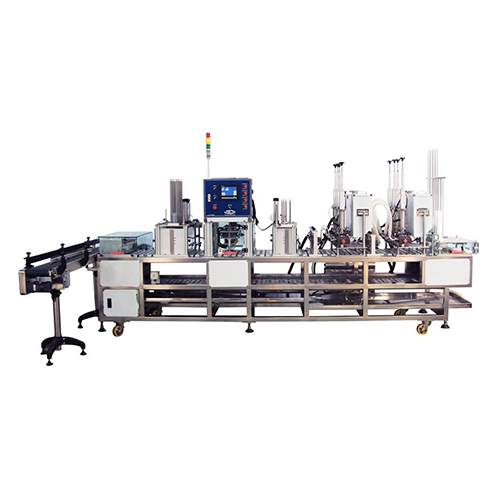
AUTOMATIC TYPE SEALING MACHINE-ET-22
CATÉGORIES : Machines de Soudure
1. PLC with Index Gear Conveyor, Inverter Speed Control and Touch Screen Operation. 2. Stainless Steel frame and Anodized Aluminum.