English - EN
 繁體 - ZH-TW
 简体 - ZH-CN
 Español - ES
 日本語 - JA
 العربية - AR
 Русский - RU
 Français - FR

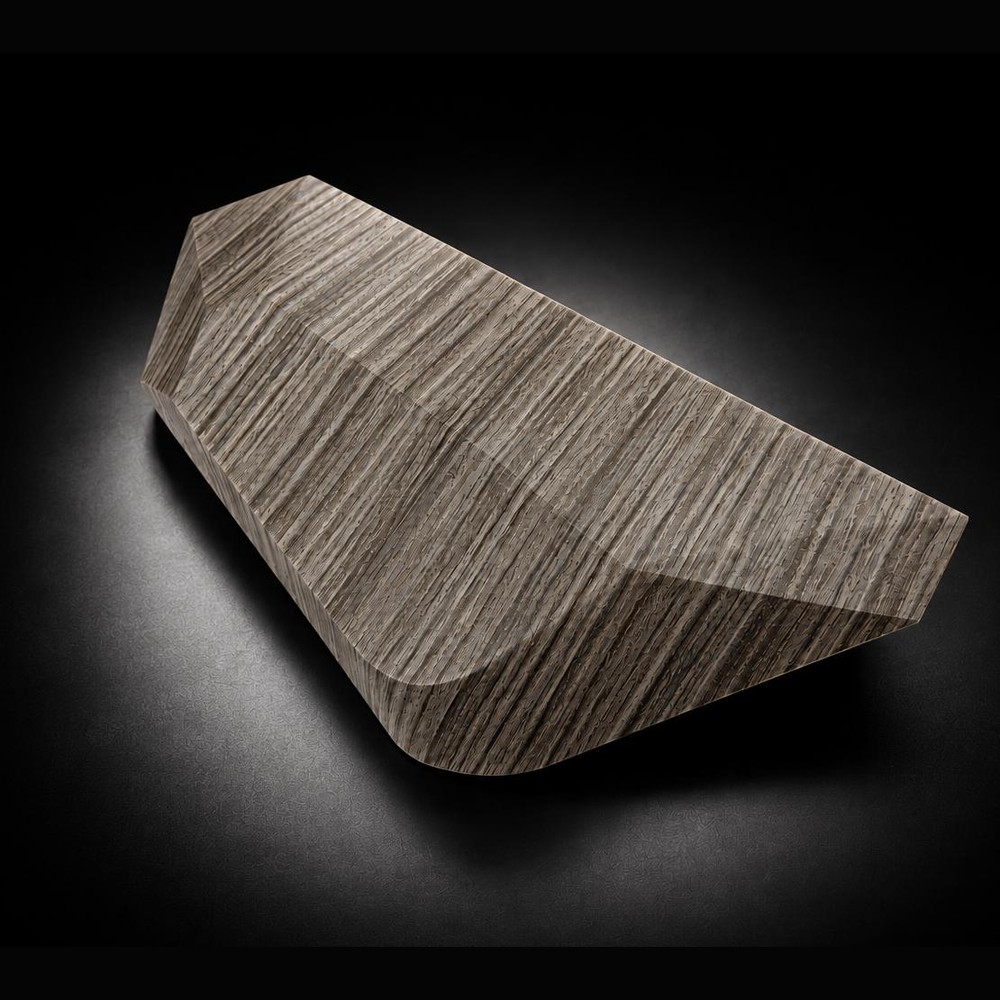
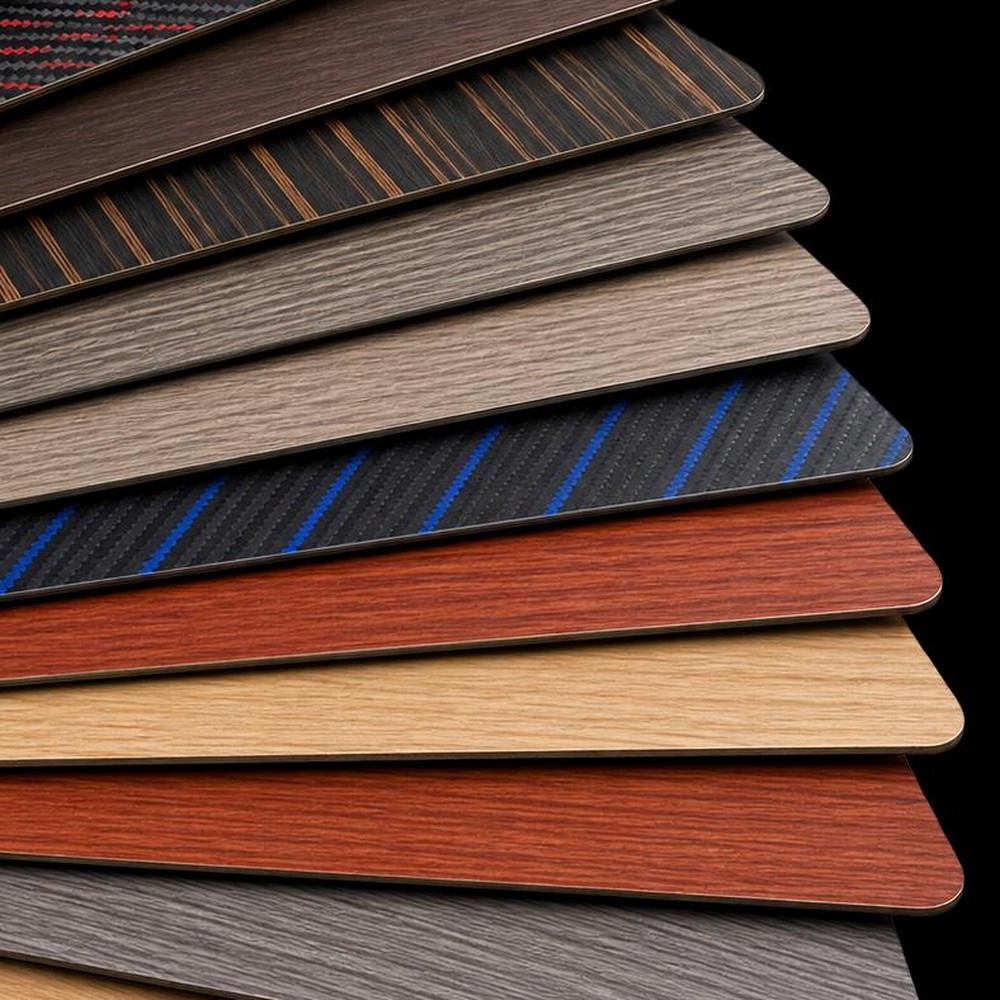
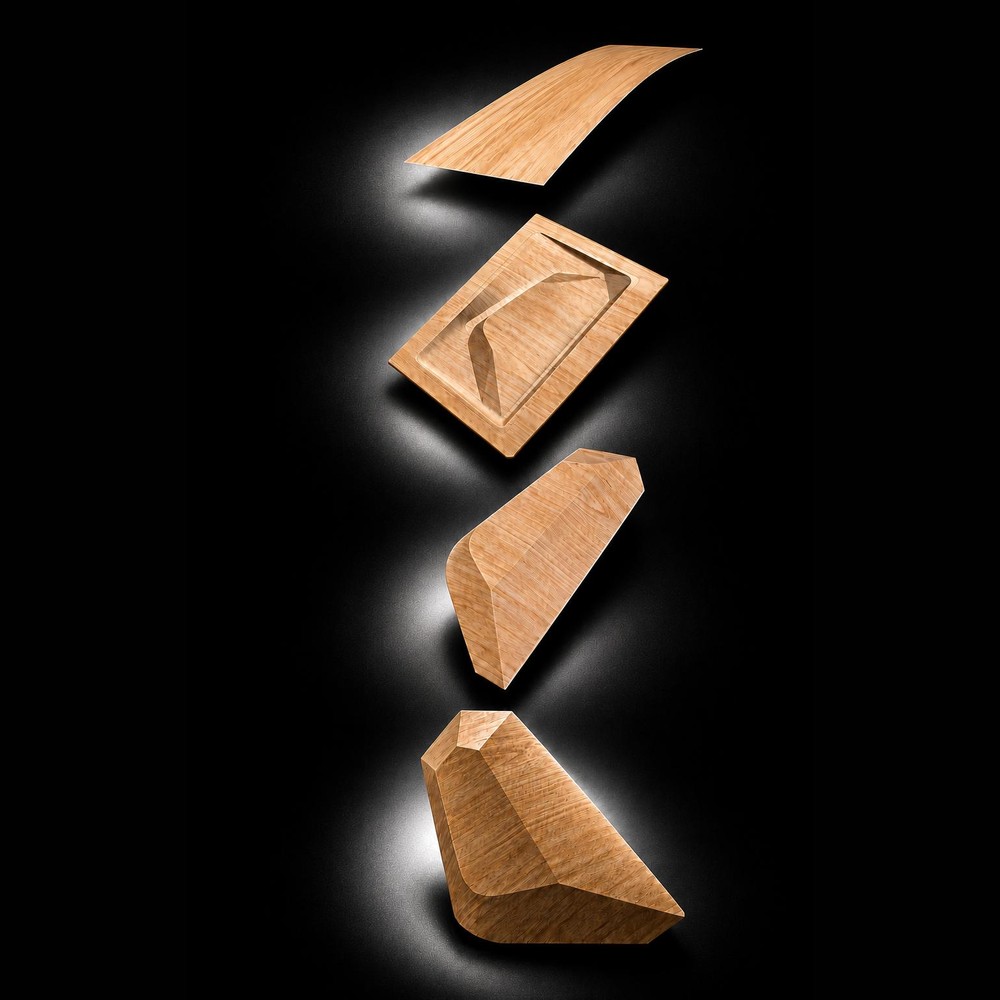
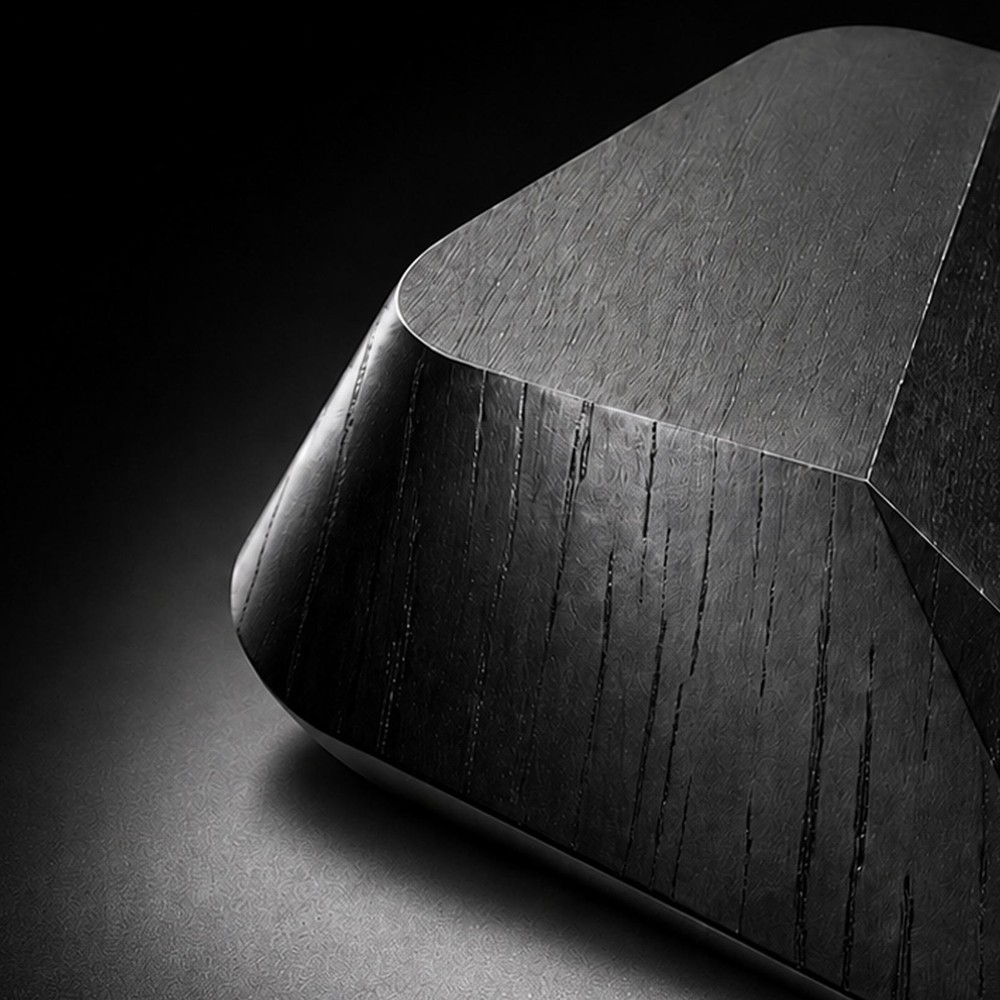
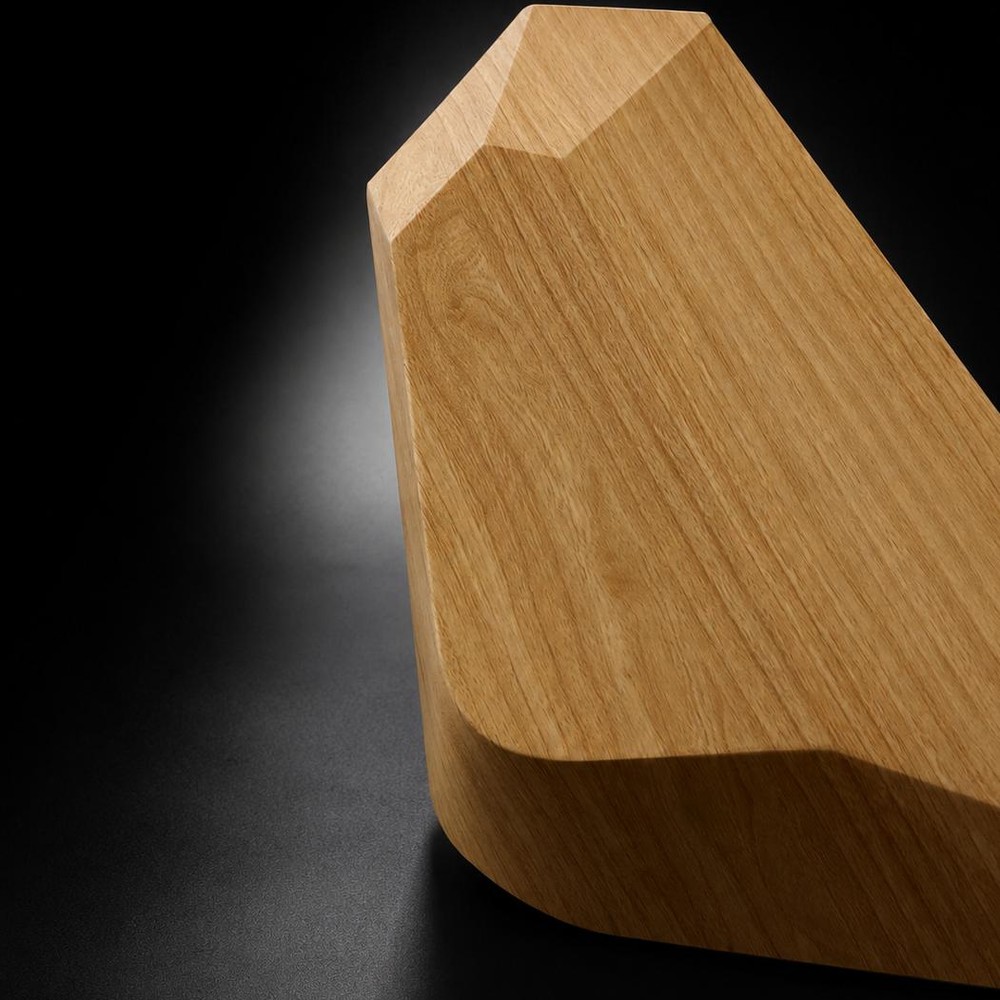
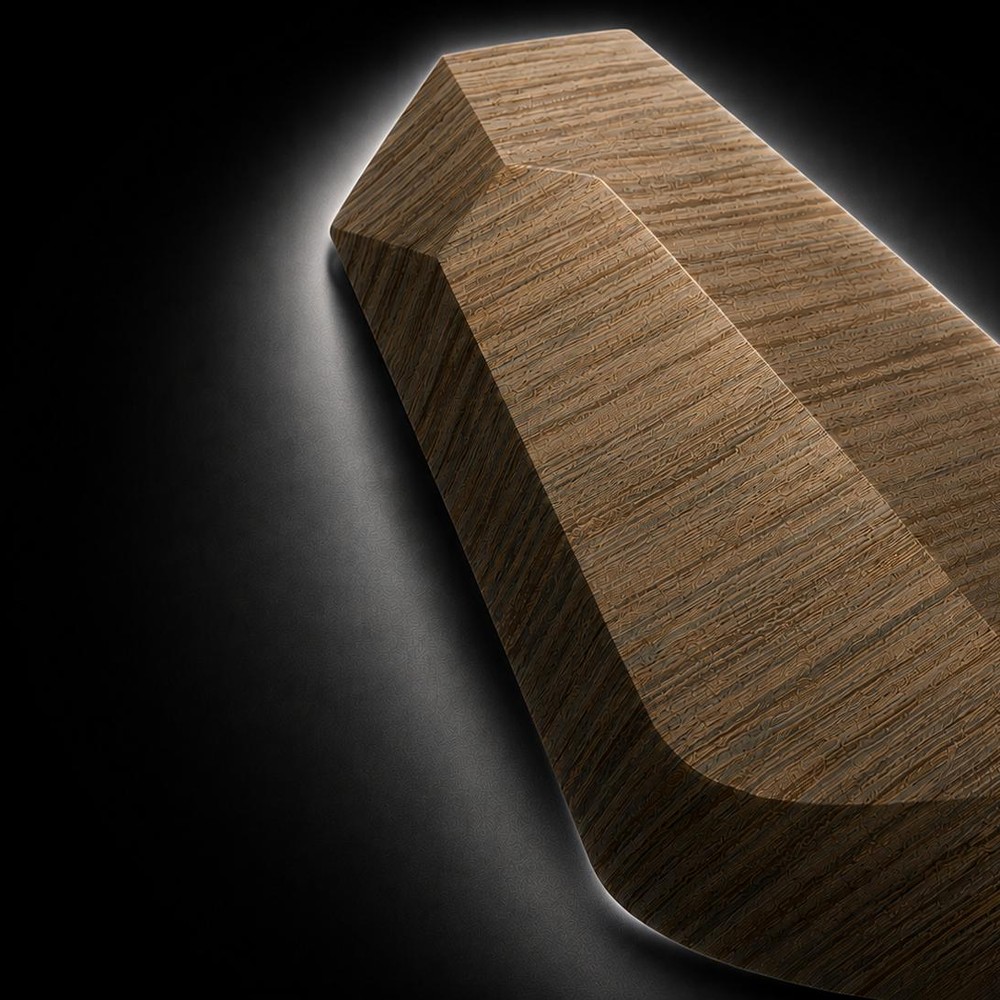
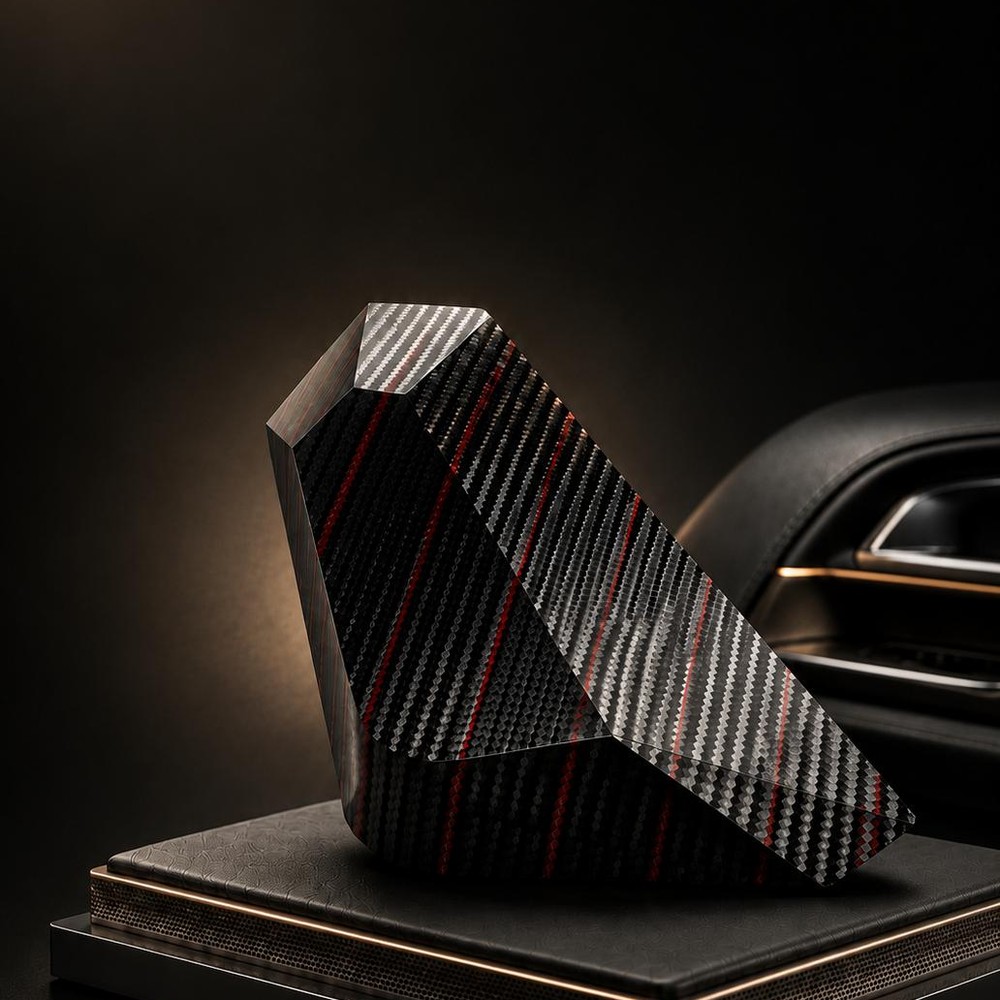
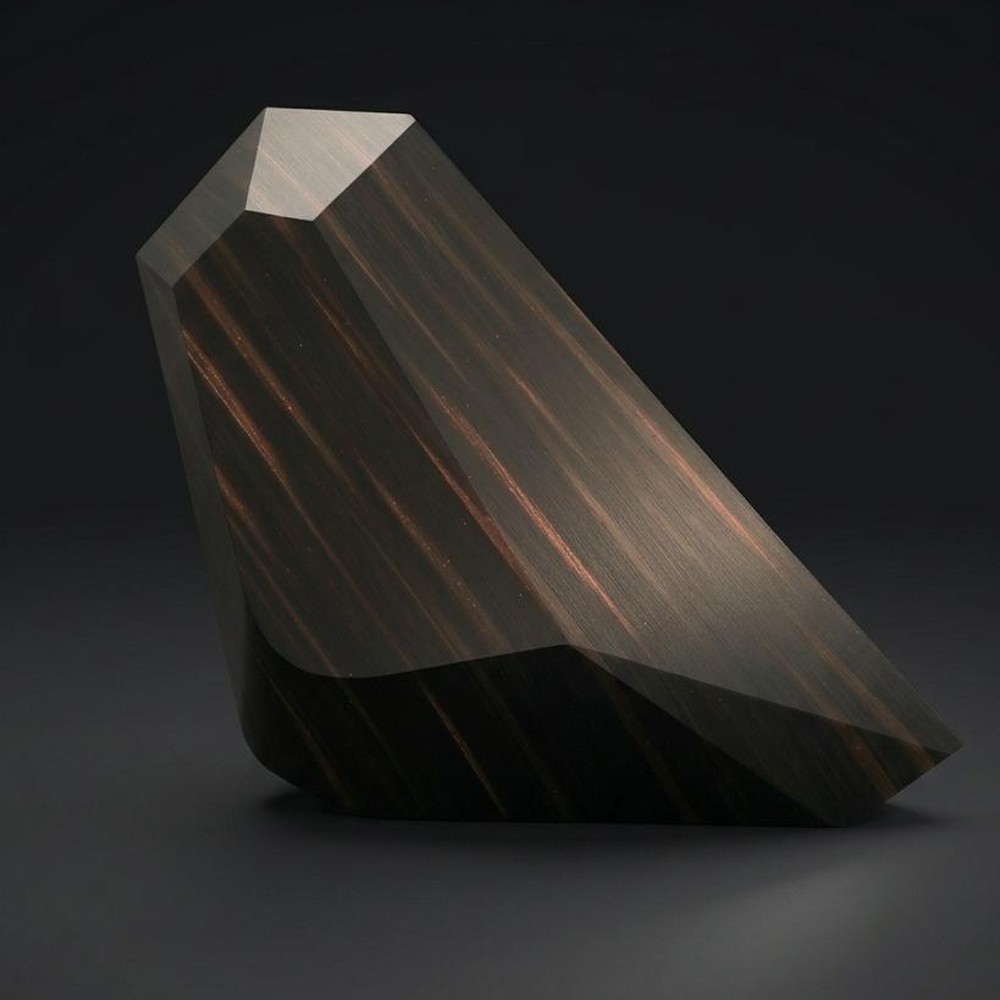
Experience the next level of surface design with YHT IMD/INS Film. From premium tactile textures and deep-draw formability to up to 2H surface hardness, our solutions combine sophisticated aesthetics, flexibility, and lasting durability, engineered for demanding automotive interior applications.
- Tactile Texture
- Deep Formability
- 2H Surface Hardness
- Excellent Finish
In-Mold Decoration (IMD/INS) is one of the most popular injection molding techniques chosen by the automotive and electronic industry. Insert injection molding combines the thermoforming of decorative film laminates with injection molding. In this process, laminates first are thermoformed into complex shapes and trimmed to match a complex injection mold cavity.
What makes YHT IMD films special for the automotive industry?
Our technology focus mainly in 4 aspects:
1. DEEP TEXTURE - Post-injection molding
Imagine running your fingers over your car door trim, feeling the authentic wood texture beneath your touch.
Our deep texture IMD film goes beyond appearance; you experience it. Incorporating realistic texture transforms a simple plastic surface into a tangible experience, enhancing both the look and feel.
2. 2H HARDNESS
Choosing 2H hardness for car interiors means they stay looking good for longer, thanks to the anti-scratch properties, way above market current expectations (HB,1H).
It's not just about looks; it's about making sure your car stays stylish and good despite everyday wear and tear.
3. STRETCHABLE- Deep Curved Shaped Angle
Film stretchability means the film can smoothly adapt to the curves and shapes inside your car, ensuring a sleek, seamless look.
During injection molding, film's stretchability ensures that every curve and detail is covered seamlessly, delivering that polished, premium look throughout the entire interior.
"Your car isn't just a vehicle; it's your personal haven of comfort and self-expression."
4. OPTIMIZED FOR ELECTRIC TOUCH FUNCTION or IME
Imagine a special film that not only makes things look good but also works with touch functions, circuits and In-Mold Electronics. It's like having a cool design that's also smart and functional, making your car look awesome and work better. Besides the above, our IMD films can incorporate high-end appearances, capacitive touch, back-lighting, and dead-front graphics.
Benefits of IMD film
Among the main advantages of In Mold Decoration, we find the following:
- With IMD, the decorative film is placed into the mold cavity before injection, allowing the decoration to become an integral part of the molded part. This eliminates the need for additional steps like painting, printing, or applying decals after molding, streamlining the production process and reducing costs.
- IMD offers high Durability, e.g chemical and scratch resistant.
- IMD films can create a huge variety of visual effects, e.g surface texture, metallic or functional printing.
- Decoration can be changed by simply inserting different print films from shot to shot.
- Environmentally friendly, with the reduction of raw material such as metals and reduction of facility space and energy.
Applications of IMD Film in the Automotive Industry
With the rise of futuristic car designs and the evolving ergonomics of car interiors, the scope for using In-Mold Decoration films is expanding.
- DASHBOARDS
- DOOR PANELS
- CENTER CONSOLE
Besides the above parts, In Mold Decoration films can also be used for steering wheels, trim panels, shift knobs, seat backs, storage compartments and more.
Film Materials and Process
In-Mold Decoration requires films with dimensional stability to withstand the heat and pressure in the molding process. Thinner films prevent gate wash, while thicker ones are ideal for deeper draws. UV, chemical, and abrasion-resistant films enhance durability and contribute to IMD overall success.
YHT IMD films are versatile, suitable for various materials. The choice depends on specific application requirements. Common materials include PC, PET, Glassfiber, ABS, PC/ABS, PMMA. Selection is based on desired characteristics like durability, transparency, heat resistance, and aesthetic appeal.
Produits connexes / YUAN HENG TAI WATER TRANSFER PRINTING CO., LTD.

Couche de film automatique + système de pulvérisation automatique

Film hydrographique / transfert d'eau - Camouflage
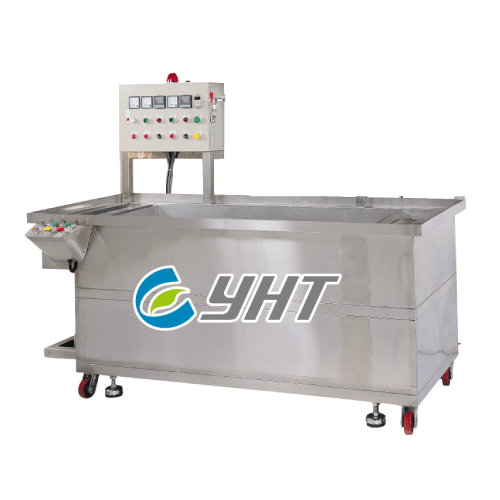
Machine de trempage semi-automatique hydrographique 1M YHT-221

Film de transfert hydrographique / eau - Fibre de carbone

Activateur

Station de lavage à l'eau Convoyeur 5M Type_JK-280
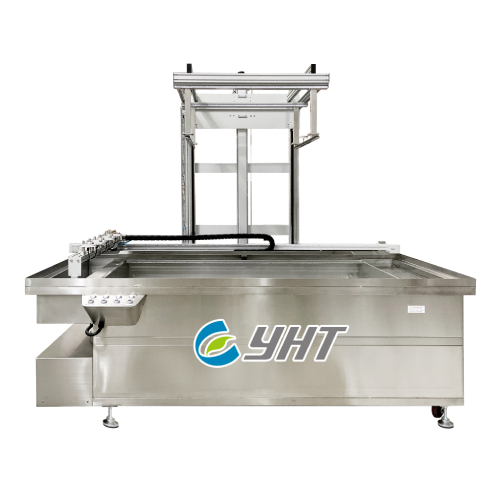
Water Transfer Printing Dipping Machine- Semi-Automatic- YHT-222AX

Film de transfert hydrographique / eau - Conception

Système d'activation de pulvérisation automatique