


 English - EN
  繁體 - ZH-TW
  简体 - ZH-CN
  Español - ES
  日本語 - JA
  العربية - AR
  Русский - RU
  Français - FR
PLASTAR Launches Advanced Five-Layer Co-Extrusion Blown Film Production Line
To Reduce Energy Costs and Support EU PPWR Compliance
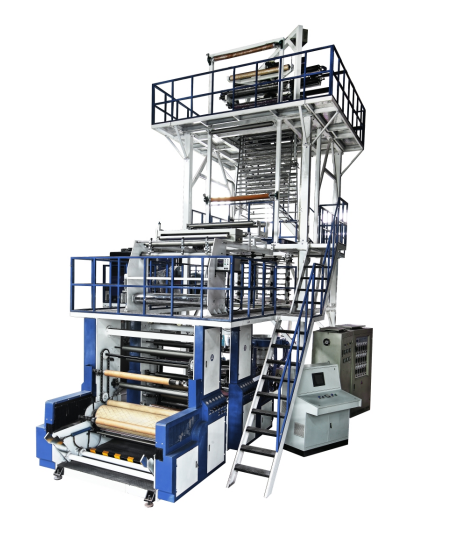
The intelligent automatic air ring achieves ±3‰ thickness accuracy, reduces the scrap rate by more than 3%, and increases production capacity by 10%–15%.
Soaring energy costs and strict recycling requirements under the EU PPWR framework are reshaping the European packaging industry, driving global demand for more energy-efficient and material-saving blown film production systems. Converters are increasingly turning to recyclable, downsized, multi-layer structures to lower their carbon footprint and stabilize operating costs.
Against this industry background, PLASTAR has launched a new generation of five-layer co-extrusion blown film production lines, aiming to provide global packaging manufacturers with higher production efficiency, better material utilization and significantly reduced energy consumption.
The line's five-layer coextrusion architecture supports flexible material formulations, allowing producers to combine virgin resin with recycled content or functional barrier layers while maintaining film strength, barrier properties and optical performance. This modular structure directly supports the industry's transition to circular packaging systems and helps manufacturers keep up with changing regulatory requirements.
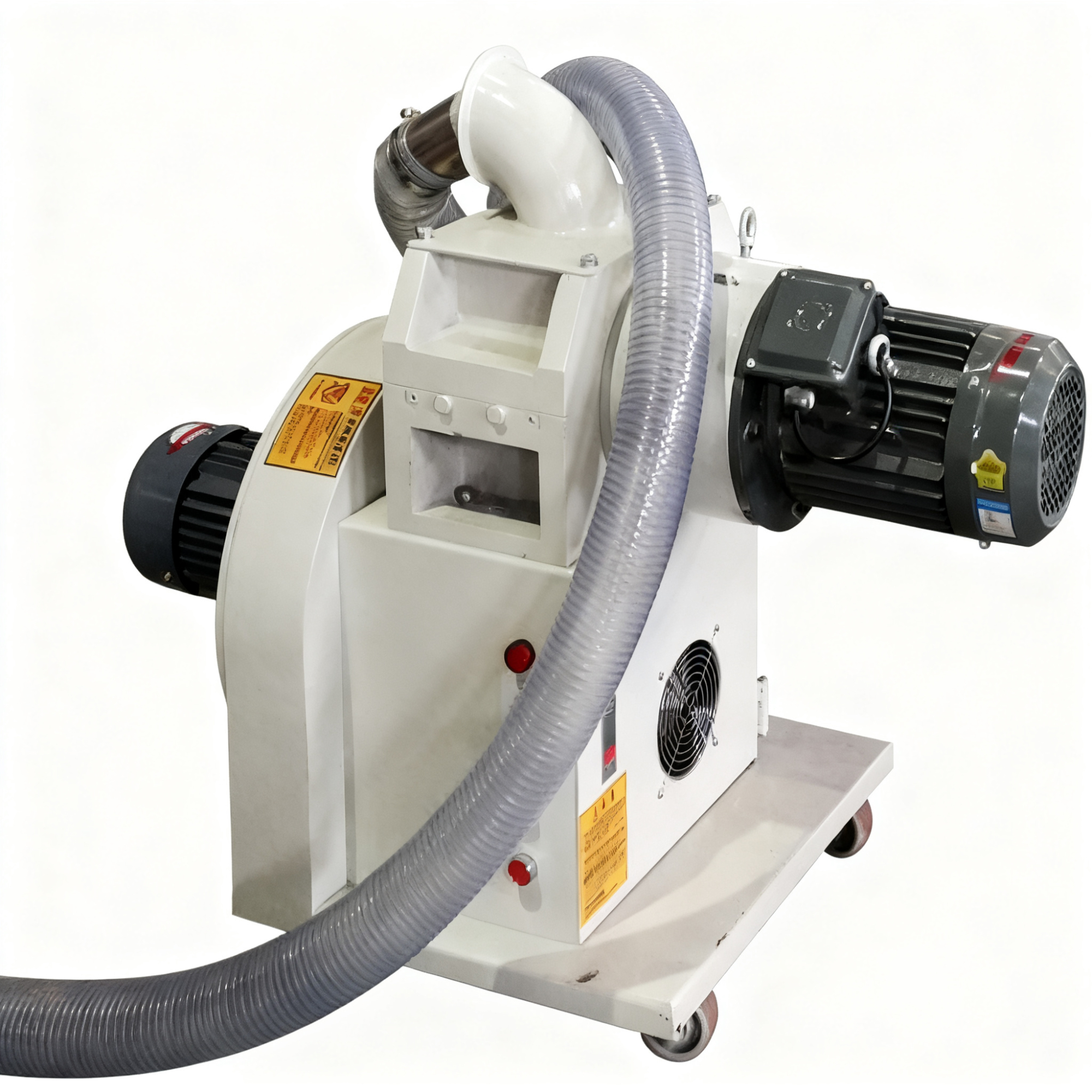
A key feature of the system is PLASTAR's fully automatic air ring technology. This technology integrates 120 independently controlled air volume adjustment units, which can accurately and real-time adjust the air flow distribution around the film bubble. The result is a film thickness tolerance of ±3‰, a scrap rate reduction of more than 3%, and quantifiable improvements in overall material efficiency and production consistency.
Unlike traditional blown film systems that usually rely on semi-automatic cooling control in a limited area, PLASTAR's intelligent air ring greatly improves process stability while reducing reliance on manual operations. Traditional systems often face the problem of inconsistent bubble stability and require frequent manual adjustments; in contrast, PLASTAR's solution provides continuous closed-loop control, lower energy consumption, and higher production repeatability.
Complementing this design is a dual-motor edge-tracking automatic wind ring – a patented dual-motor edge-tracking wind ring system (Patent No.: ZL 2024 1 1087285.7), which further reduces mechanical complexity and power consumption. In addition to reducing maintenance needs, the system can save approximately 5,200 to 7,800 euros (40,000 to 60,000 yuan) in energy costs per production line per year, while increasing production capacity by 10% to 15% under stable operating conditions.
"Energy costs have become one of our biggest production risks. A system that can both stabilize output and reduce power consumption directly affects our competitiveness."
— A European packaging processor
This feedback reflects a wider industry reality: energy efficiency is no longer optional but a core production requirement for European manufacturers.
As the implementation of EU PPWR regulations accelerates, the demand for recyclable, thinned multi-layer film structures continues to grow. Manufacturers now need to increase recyclability while reducing material consumption without sacrificing performance – which places higher demands on extrusion precision and process stability, and PLASTAR's five-layer system is built for this.
While the technology was developed in response to Europe's unique energy and regulatory pressures, it is already delivering tangible results for manufacturers around the world, as evidenced by a recent installation at a high-barrier packaging producer in Jordan.
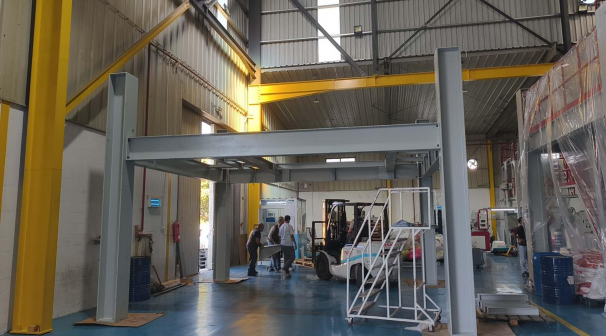
The customer, a manufacturer of barrier films for protective food and industrial packaging used to protect against moisture, oxygen and contamination, upgraded its production line to support higher value multi-layer film structures.
After commissioning, customers reported improved layer-to-layer uniformity, more stable bubble control, and significantly reduced material waste during production. The upgraded production line enables customers to better serve export-oriented packaging needs where consistent barrier performance is critical for product shelf life and logistics reliability. As a result, customers have expanded into more demanding multi-layer film applications and strengthened their competitiveness in regional and international markets.
Compared with the previous traditional production line, the new PLASTAR system provides higher output stability and lower energy consumption per unit of film, while supporting improvements in cost efficiency and quality consistency.
PLASTAR continues to invest in advanced co-extrusion and intelligent control technology to meet the changing needs of the global packaging market. By combining precision engineering, energy optimization and intelligent automation, the company aims to help manufacturers achieve regulatory compliance and long-term operational competitiveness.
About PLASTAR
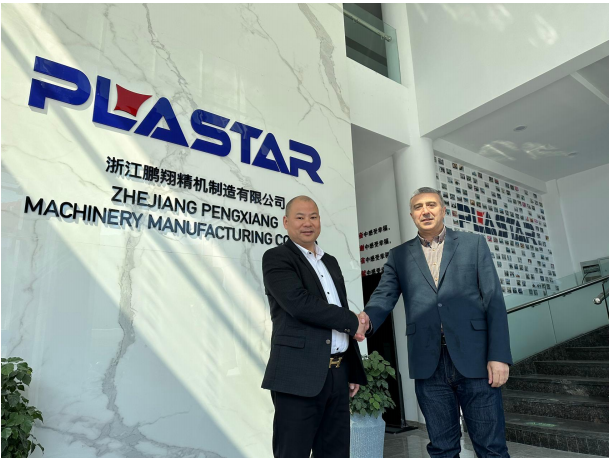
A manufacturer of advanced blown film extrusion equipment and solutions, focusing on high-performance multi-layer co-extrusion production lines for flexible packaging applications. With a core focus on energy efficiency, material savings and process intelligence, PLASTAR serves packaging manufacturers in Europe, the Americas and Asia, supporting customers in responding to regulatory changes and driving sustainable production.

PARTENAIRE COOPéRATIF