


 English - EN
  繁體 - ZH-TW
  简体 - ZH-CN
  Español - ES
  日本語 - JA
  العربية - AR
  Русский - RU
  Français - FR
The Polymer Pipeline: How the Iran War is Shaping Global Plastics
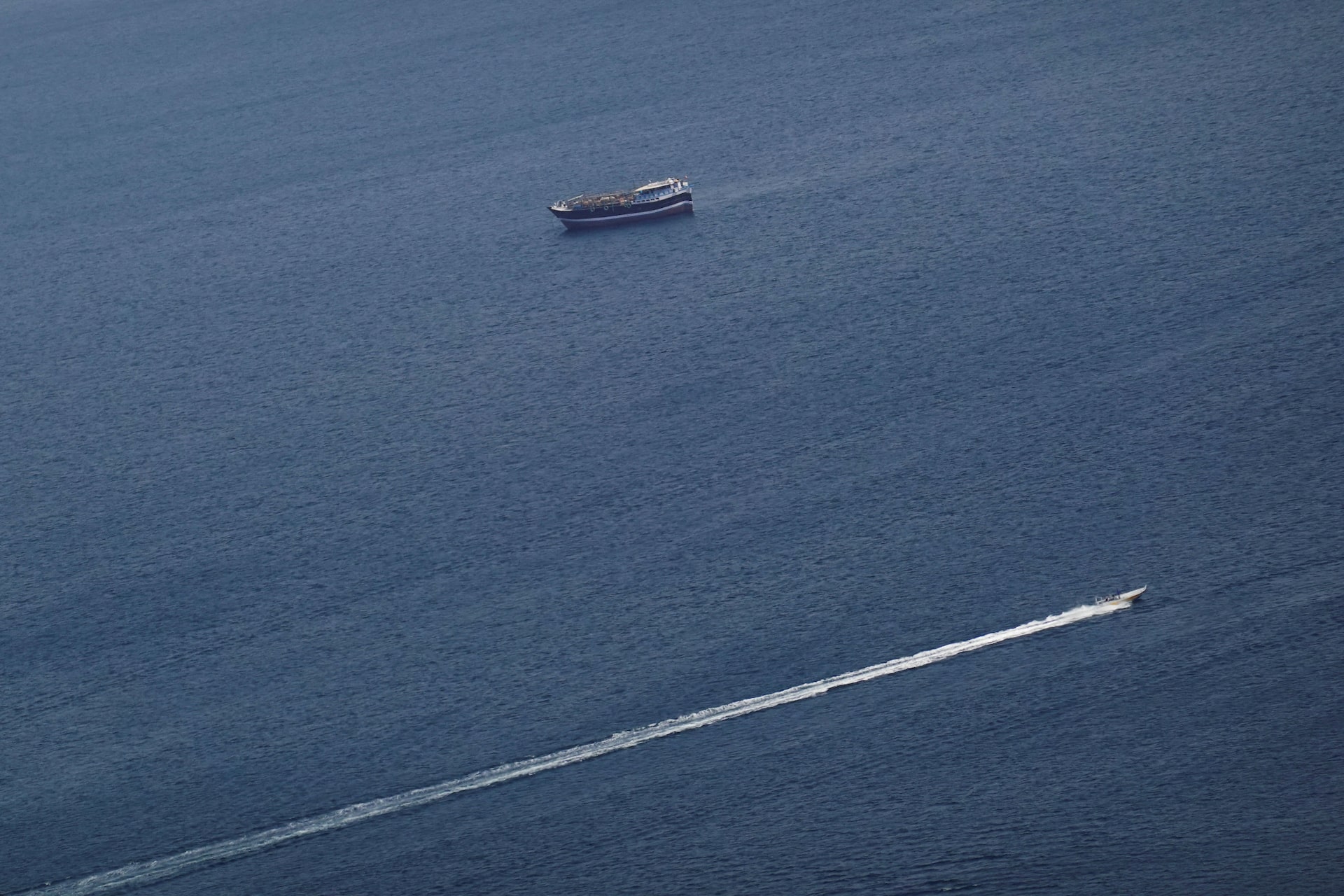
Boats in the Strait of Hormuz amid the U.S.-Israeli conflict with Iran, as seen from Musandam, Oman, March 2, 2026.REUTERS/Amr Alfiky
March 9, 2026 — The ongoing military escalation between the United States and Iran has pushed the global plastics industry into a period of acute instability, stripping away the luxury of "just-in-time" supply chains and exposing the structural fragilities of modern chemical manufacturing.
At the heart of the crisis is a simple, harsh economic reality: the modern world is physically built upon a petrochemical foundation that is currently being rattled by the closure of the Strait of Hormuz—the narrow, high-stakes maritime corridor through which roughly 20% of global oil and significant volumes of liquid natural gas (LNG) flow.
The Feedstock Famine
The impact on the plastics industry is not merely a shipping delay; it is a fundamental shock to the "feedstock" that makes polymers possible. The production of resins like polyethylene (PE) and polypropylene (PP) relies on steam crackers that transform crude oil naphtha or natural gas into the building blocks of plastic.
As conflict paralyzes the Gulf, producers in Europe and Asia—who rely heavily on Middle Eastern crude and naphtha—are facing a double-edged sword:
- The Cost Spike: As oil prices climb toward triple digits, the cost of raw inputs for these crackers is surging, forcing producers to raise prices for resins that were already struggling in a low-demand market.
- Operational Curtailment: Many plants, unable to secure consistent feedstock or fearing the risk of shipping insurance surcharges, are voluntarily idling capacity. Reports from Southeast Asia and parts of Europe indicate that some operators have already declared force majeure, unable to meet contract obligations.
Shipping: The "Cape of Good Hope" Tax
For the plastics industry, the ocean is the factory floor. When shipping lines reroute vessels around the Cape of Good Hope to avoid the volatile Persian Gulf, they add 10 to 14 days to the transit.
The consequences for global supply chains are compounding:
- Container Imbalances: Rerouted ships take longer to return, leading to acute shortages of empty containers at key manufacturing hubs in Asia.
- War-Risk Surcharges: The cost of marine insurance has spiked, with some insurers refusing to underwrite voyages near the conflict zone. These costs are being passed directly to manufacturers, adding a "geopolitical tax" to every ton of resin moved.

President Trump speaks to reporters while traveling on board Air Force One [Mark Schiefelbein/The Associated Press]
Regional Divergence: The U.S. "Shield"
The irony of this crisis is that it is reinforcing a global trade divergence. Because the U.S. chemical industry is primarily powered by shale-derived natural gas—a domestic, abundant resource—it remains relatively insulated from the oil-price shocks plaguing international competitors.
While European and Asian manufacturers face margin compression, U.S. producers are viewing this as a potential market opportunity to fill the void. "The U.S. can certainly help fill gaps from potential Middle East supply disruptions," notes industry analysts at ICIS, pointing out that the U.S. has the capacity to export more resin to regions currently reeling from supply shocks. However, this is a stop-gap measure at best; global supply cannot fully replace the volume and logistical proximity of Middle Eastern exports.
The End of "Low Cost" Plastic?
Industry experts are warning that the fallout will linger for months, likely through the end of 2026. The volatility is forcing a fundamental rethink:
- Supply Chain Redesign: Companies are rapidly shifting away from single-origin sourcing, looking to "friend-shore" their resin supplies closer to their manufacturing sites.
- Inventory Strategy: The era of minimal inventory is ending. Businesses are now building strategic buffers of raw plastic, accepting higher holding costs to hedge against future blockade risks.
- Sustainability as a Risk Hedge: As virgin resin costs become tied to geopolitical volatility, the incentive to switch to recycled or bio-based materials is moving from a "corporate social responsibility" goal to a core risk-mitigation strategy.
For the consumer, the effect will be subtle but pervasive. Plastic packaging is used for everything from food staples to electronics. As these manufacturing costs rise, the "lagged inflation" effect suggests that by mid-year, shoppers will see higher prices for goods that depend on robust, cost-effective plastic logistics.
Source:
- Plastics Today: Plastics Supply Chain Collateral Damage in Iran War
- Logistics Viewpoints: Supply Chain Scenario Analysis: Short vs. Prolonged U.S.–Iran Conflict
- Reuters: Asia, Europe most exposed to LNG impact from Iran conflict, Vortexa says
- CZ Insights: Iran Conflict Set to Push Up Plastic Packaging Prices

PARTENAIRE COOPéRATIF