


 English - EN
 繁體 - ZH-TW
 简体 - ZH-CN
 Español - ES
 日本語 - JA
 العربية - AR
 Русский - RU
 Français - FR

LATEST UPDATE Souscrire

Why a $1 O-Ring is the Guardian of Your Million-Dollar Machinery
In the complex architecture of industrial machinery, the O-ring is often the smallest component, yet it carries a disproportionate amount of responsibility. This simple elastomeric loop is the primary defense against fluid loss, pressure drops, and environmental contamination. However, because O-rings are often viewed as "simple" consumables, many businesses overlook the sophisticated material science required to keep a production line running smoothly.

The 2026 U.S.-Taiwan Trade Deal: Why 15% is the Magic Number for Machinery Buyers
In the wake of the historic trade agreement signed on January 15, 2026, the "clouds of uncertainty" over Taiwanese exports have finally begun to clear. For U.S. buyers of plastics and rubber machinery, this MOU (Memorandum of Understanding) isn't just a political milestone—it is a vital tool for supply chain stability. Taiwan is now one step ahead of other countries in clearing the clouds of an unstable trade war.
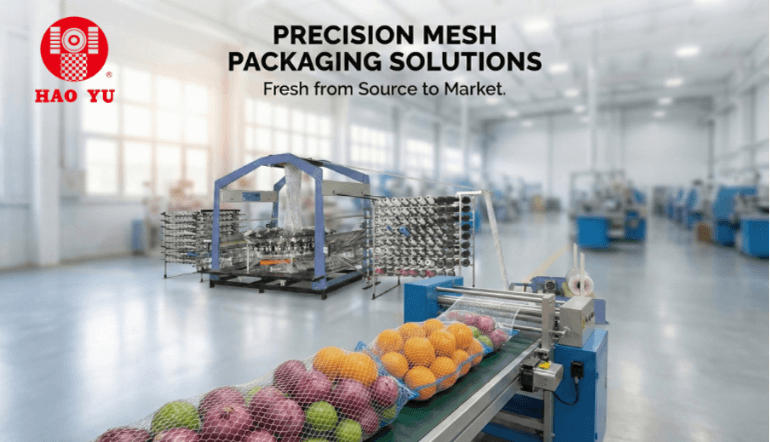
Legacy & The Wave: Hao Yu’s 26-Year Partnership with Mexico’s Industrial Transformation
In the vibrant landscape of Mexico, the gears of industry are turning faster than ever before. Driven by the "Nearshoring" wave, Mexico has officially overtaken China as the primary trading partner to the United States. While this brings a "Golden Age" of opportunity for factory owners, it also brings unprecedented challenges: labor shortages, strict environmental regulations, and a fierce race for quality.
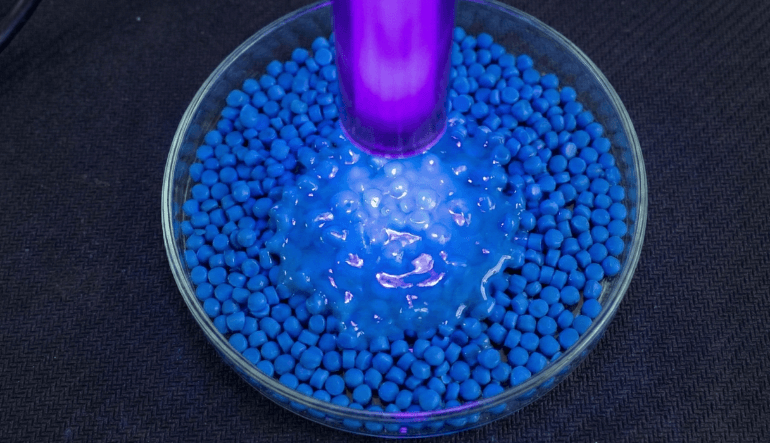
La science de « l'autodestruction » : Pourquoi le nouveau plastique de Rutgers pourrait changer la donne
Dans l'industrie des plastiques, nous nous sommes habitués à un cycle de battage médiatique et de déception. Nous entendons constamment parler de « solutions vertes », pourtant la courbe mondiale de la pollution plastique fléchit rarement. La plupart des options « biodégradables » sur le marché, telles que l'acide polylactique (PLA), sont meilleures que les plastiques traditionnels à base de pétrole, mais elles comportent des mises en garde importantes. Premièrement, elles sont passives ; elles dépendent de conditions environnementales spécifiques — forte chaleur, humidité et microbes — pour se dégrader.
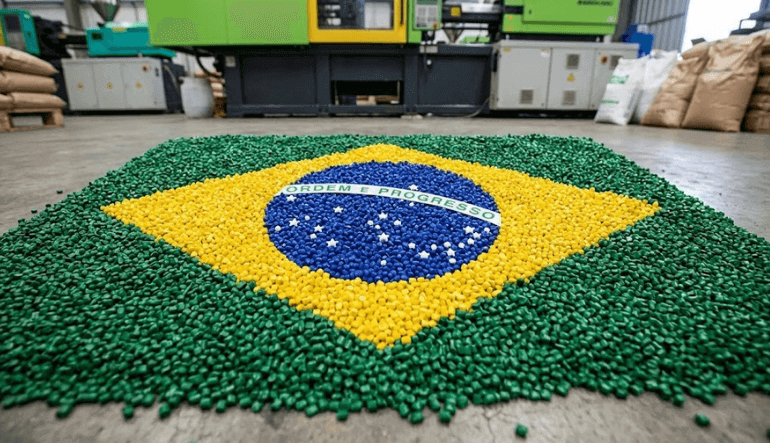
Brazil’s 43% Tariff Shock: Why Brazil’s Polymer Tariffs and U.S. Growth Trends Matter for Asian Machine Manufacturers
In the shifting landscape of the global plastics industry, two opposing forces are currently at play: the promise of market recovery in major economies and the rising walls of trade protectionism.