


 English - EN
  繁體 - ZH-TW
  简体 - ZH-CN
  Español - ES
  日本語 - JA
  العربية - AR
  Русский - RU
  Français - FR
LATEST UPDATE Souscrire

Our First Time at interpack: We Thought Packaging Was an Extension of the Plastics Industry — Until We Arrived and Realized They Are Two Different Worlds
Right after wrapping up PRSE in Amsterdam, we barely even had time to unpack our luggage before heading straight to Düsseldorf, Germany, early in the morning on May 7 to catch the opening day of interpack 2026. For PRM, this trip felt quite different. In the past, our team's exhibition footprint has mainly revolved around the plastics and rubber machinery industry — events like K Show, CHINAPLAS 2026, NPE, and TaipeiPLAS. As for packaging and downstream converting exhibitions, the ones we were more familiar with were Taipei Pack and swop (which has officially upgraded into interpack china this year).
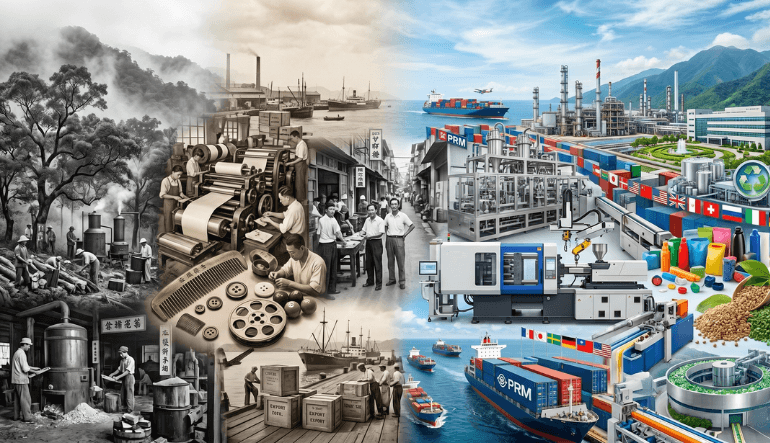
From Middle East Oil to Formosan Forests: The Surprising Origins of Taiwan’s Plastic Kingdom
The global plastics market is currently navigating a period of profound uncertainty. With geopolitical instability in the Middle East—the world’s primary artery for petroleum and plastic resins—supply chains are feeling the squeeze, and prices are fluctuating wildly. This modern crisis serves as a stark reminder of how deeply the industry is tethered to oil. But what if I told you that Taiwan’s journey to becoming a global "Plastic Kingdom" didn't start with petroleum? In fact, long before the first oil refinery was built on the island, Taiwan held a dominant 70% to 80% share of the world’s supply of the earliest mass-produced plastic material. Considering Taiwan does not produce a single drop of crude oil, how did it conquer the world stage? The answer lies in a mysterious, organic raw material that predates modern synthetics: Celluloid.
Navigating the Ripple Effect: Circular Resilience Amidst Global Energy & Market Volatility
As the global plastics industry moves through the second quarter of 2026, the landscape is being reshaped by a complex war between geopolitical instability and rapid technological evolution. While external pressures on the oil market persist, the industry is finding its footing through an intensified focus on the "Power of Recycling" and technological breakthroughs in chemical and biological processing.
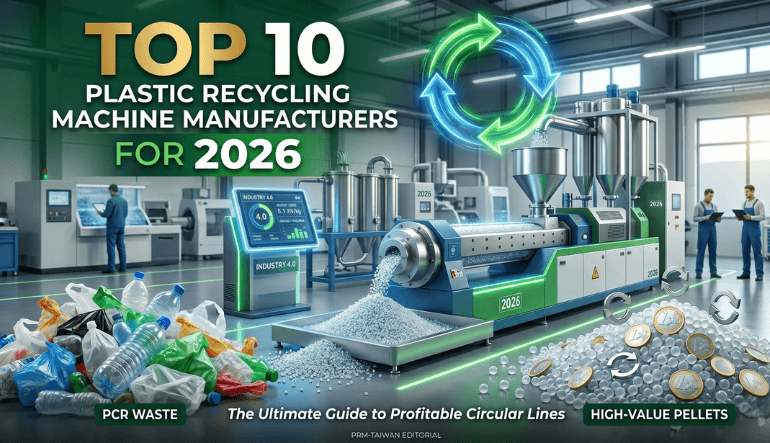
Top 10 Plastic Recycling Machine Manufacturers for 2026: The Ultimate Guide to Profitable Circular Lines
As we step into 2026, the global plastic manufacturing landscape has undergone a seismic shift. Plastic recycling machines are no longer considered optional "auxiliary equipment" for handling factory scraps—they are now the core profit centers and compliance lifelines of the modern circular economy.
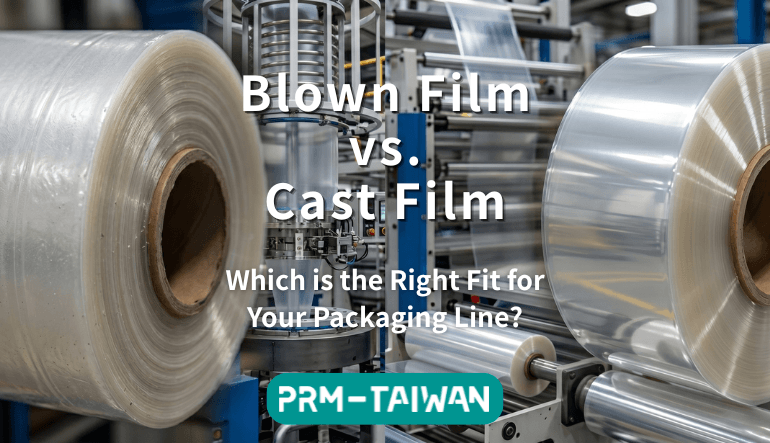
Blown Film vs. Cast Film: Which is the Right Fit for Your Packaging Line? PRM Explains!
We have to say, it's a bit like asking whether an off-road vehicle or a sports car is better! There is no absolute winner, only the "perfect solution tailored to your end products and production line requirements." While both films originate from high-temperature melting of plastic pellets (the extrusion process), the subsequent "cooling and forming" magic gives them entirely distinct physical personalities.